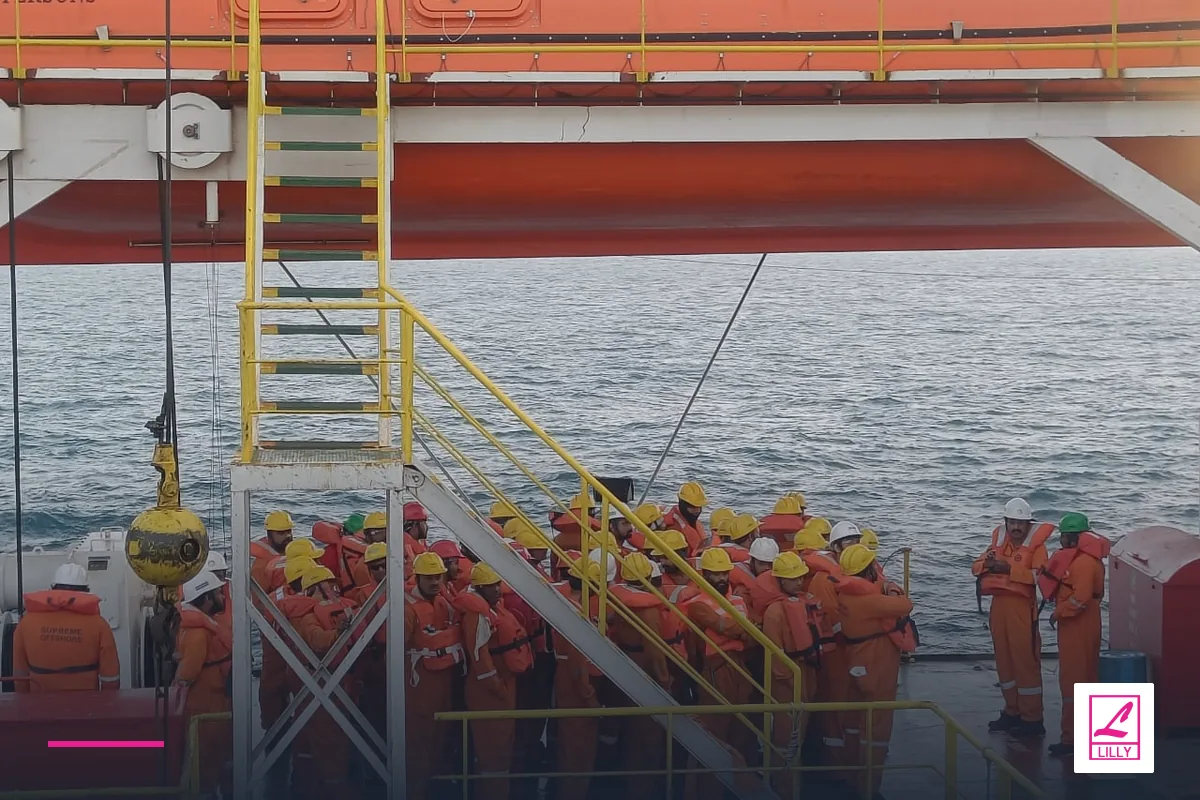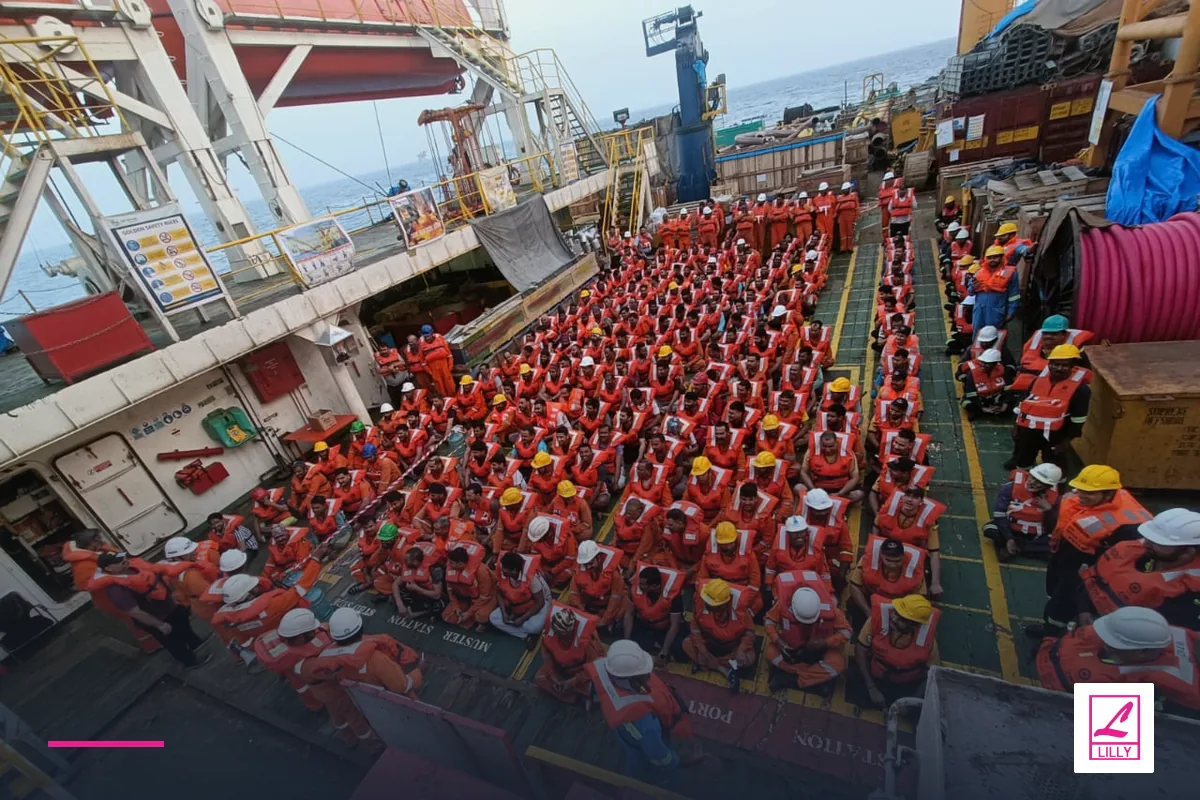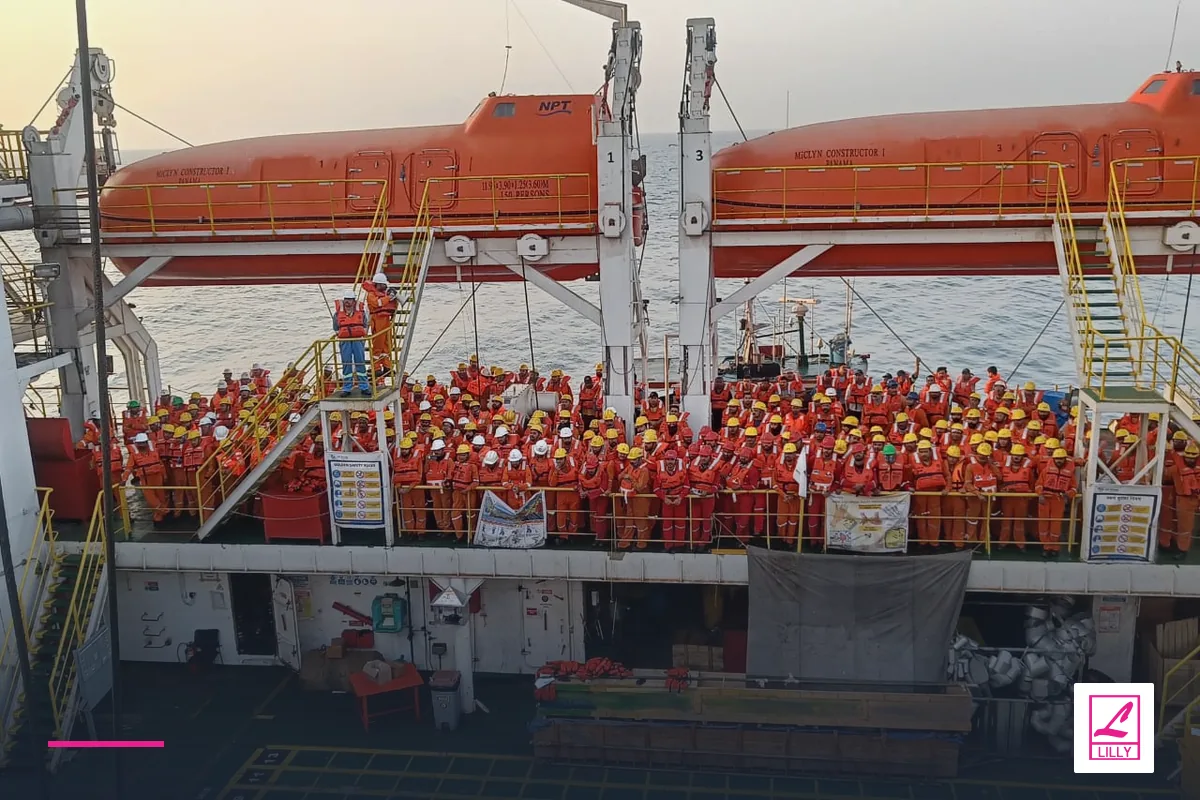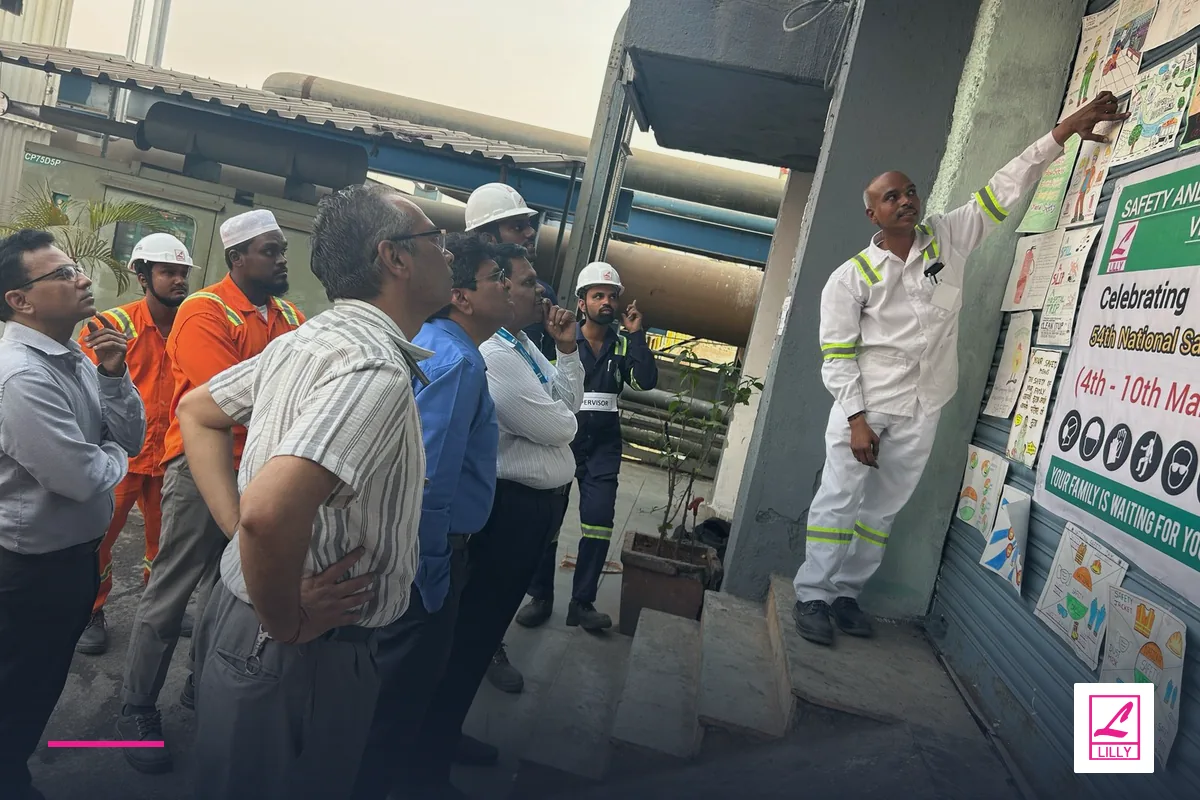
A jetty transfer brings ship, terminal, pipeline and marine operations into one connected system. Each party may have a sound procedure, yet the operation can still be exposed if the interfaces are unclear. A valve status misunderstood between teams, an uncommunicated pressure limit or a change in weather can affect people well beyond the immediate worksite.
Pigging adds another layer of coordination because the pipeline’s contents, stored energy and destination must remain controlled. This article provides a planning framework for competent teams. It is not an instruction for operating a pig launcher or receiver; equipment-specific procedures, permits and terminal rules remain essential. The wider service setting is port and terminal management.
1. Establish a shared operating plan
Before the vessel arrives, confirm the cargo or product, nominated system, expected sequence and the responsibilities of each team. Include the ship, loading master or terminal representative, control room, pipeline personnel and supporting marine services. Identify which activities can occur simultaneously and which require separation.
Use current drawings and approved operating limits. Agree the intended transfer rates, pressure limitations and criteria for reducing or stopping the operation. Record who can authorise a restart after an interruption. If different organisations use different equipment names, resolve that before the briefing so that the same instruction cannot refer to two different valves.
2. Verify the berth and ship-shore interface
Review mooring arrangements, access, lighting, weather limits, emergency equipment and the condition of hoses or loading arms. Check that the arrangements suit the vessel’s movement and expected changes in draught. Assign responsibility for monitoring lines and access throughout the operation rather than only at the initial inspection.
Complete the relevant ship-shore safety checks jointly. Discuss the reason for any exception and the controls required; do not treat the checklist as an exchange of signatures. Emergency shutdown arrangements, escape routes and the location of spill response equipment should be understood by the people working at the interface.
3. Confirm communications and stop conditions
Agree primary and backup communication methods, call signs and the language for critical instructions. Test the equipment in the areas where it will be used. A successful call from an office does not establish reliable reception near a noisy manifold or behind terminal structures.
Use closed-loop communication
For a critical instruction, the receiver should repeat the instruction and the sender should confirm it. Define what happens if communications fail or an unexpected alarm appears. Every team should understand its immediate actions and the route for notifying the other parties. Keep the emergency channel available rather than filling it with routine conversation.
4. Plan pigging around the specific pipeline
Establish why pigging is being performed and identify the approved pig, launcher, receiver, driving medium and receiving capacity. Confirm compatibility with the product, pipe geometry, seals and internal condition. Review possible contamination, trapped product, pressure surge and the consequences of a pig becoming stuck.
Set out the authorised sequence in the equipment-specific procedure. Identify hold points that require positive confirmation from another team. Personnel should understand the boundaries of their authority, particularly when progress differs from the plan. Improvisation around a pressure-containing system needs a controlled engineering decision, not an informal attempt to keep the programme moving.
5. Treat isolation and stored energy as critical barriers
Identify all potential energy sources and connections relevant to the work. Follow the terminal’s isolation, lockout and permit arrangements. Account for trapped pressure and hazardous contents in dead legs or enclosed sections. An indicator reading alone may not establish that a system is safe for opening.
Opening a launcher or receiver requires the specific verification and authorisation stated in the approved procedure. Keep personnel clear of potential release paths and establish appropriate exclusion zones. If verification cannot be completed or conflicting information appears, stop and resolve the uncertainty. Production pressure should never become an alternative verification method.
6. Monitor the operation against the plan
Assign people to track the parameters that matter: pressures, flow, levels, ship movement and other equipment-specific indicators. Agree how observations are logged and shared. Compare trends rather than relying only on whether an individual reading remains below a limit. An unusual pattern may deserve attention before a formal alarm is reached.
When a deviation occurs, stabilise the situation using the agreed procedure and notify the relevant teams. Record the time, observations and decisions. Changes to the sequence, product destination or equipment configuration should receive the required authorisation and a fresh risk review where necessary. Preserve a common picture of the operation.
7. Prepare for a release before starting
Match response arrangements to the product and credible release scenarios. Check access to containment equipment, appropriate personal protective equipment and the route for raising the alarm. Consider ignition hazards, personnel exposure, drainage paths and the movement of a release on water. Response personnel need clear limits on what they may attempt.
Coordinate with the terminal’s emergency plan and the vessel’s arrangements. Exercise the initial notification and decision process, including who can call supporting resources. A response plan should not assume that the same people can simultaneously secure the transfer, manage a casualty and deploy equipment without additional support.
8. Close out with a verified system status
At completion, confirm the final line condition, equipment configuration, product destination and outstanding restrictions. Follow the approved draining, disconnection and reinstatement procedures. Record anomalies and maintenance requirements before the teams disperse. The next shift should receive a clear account of what is available for service and what remains isolated.
Review deviations and lessons with all relevant parties. Useful improvements may concern a drawing, a radio position, a briefing format or an unrealistic assumption about timing. For an operational discussion, explore Lilly Maritime’s port and terminal service scope. A controlled interface depends on shared understanding from planning through final handover.